来源公布的内容
Alice launched stillwet.art, a gallery of 109 "oil paintings" painted stroke by stroke by AI models. The twist: no image generator is involved — each model writes every brushstroke as code, and a physics simulator renders the code into oil paint or watercolor. Posted as the Show HN "Giving Opus 5.5 a simulated paint canvas" on October 2, 2026, it earned 392 points and 114 comments.
The painting loop has three steps: a painter receives a brief, picks up brushes, pigments and a primed linen canvas; then paints one passage at a time, steps back to "look" at the canvas, writes in its journal, and decides what to change. No reference pictures are used. Every painting on the site can be watched being made, and the original brief each painter was given is published alongside it.
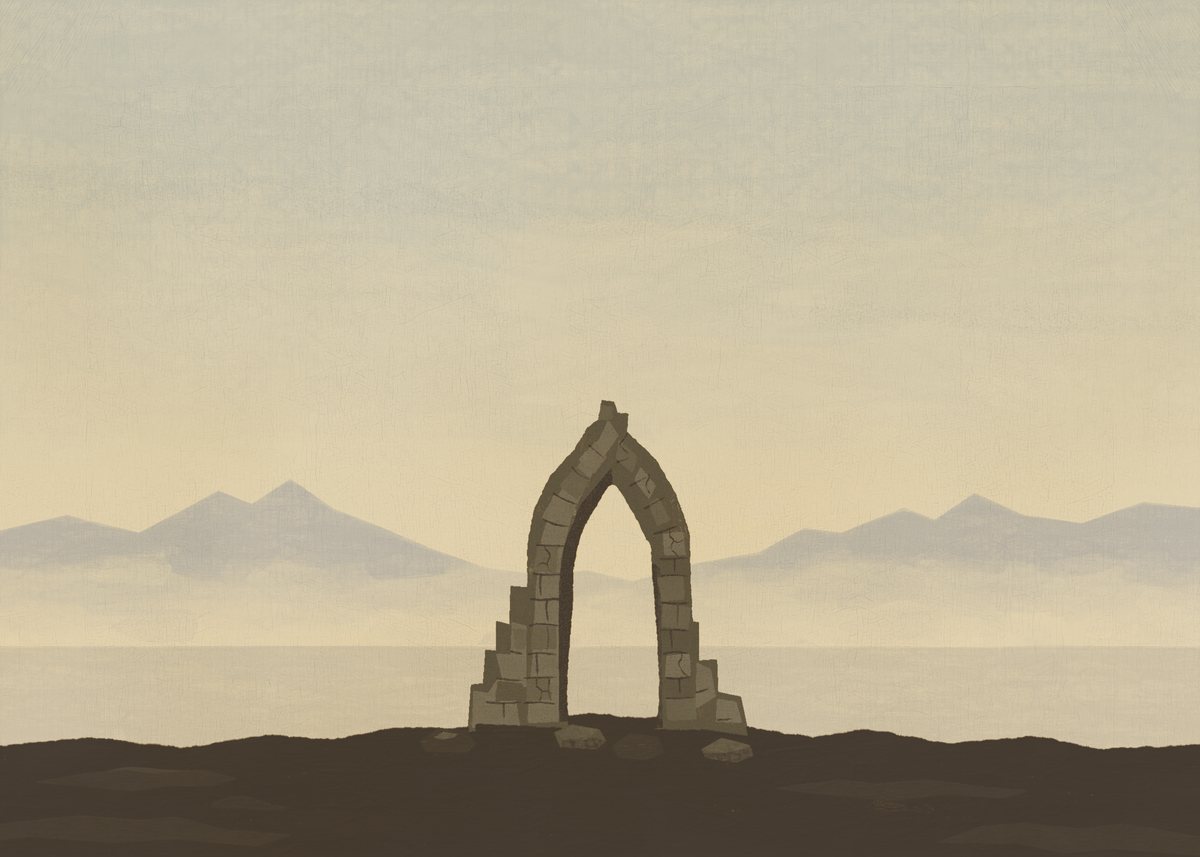
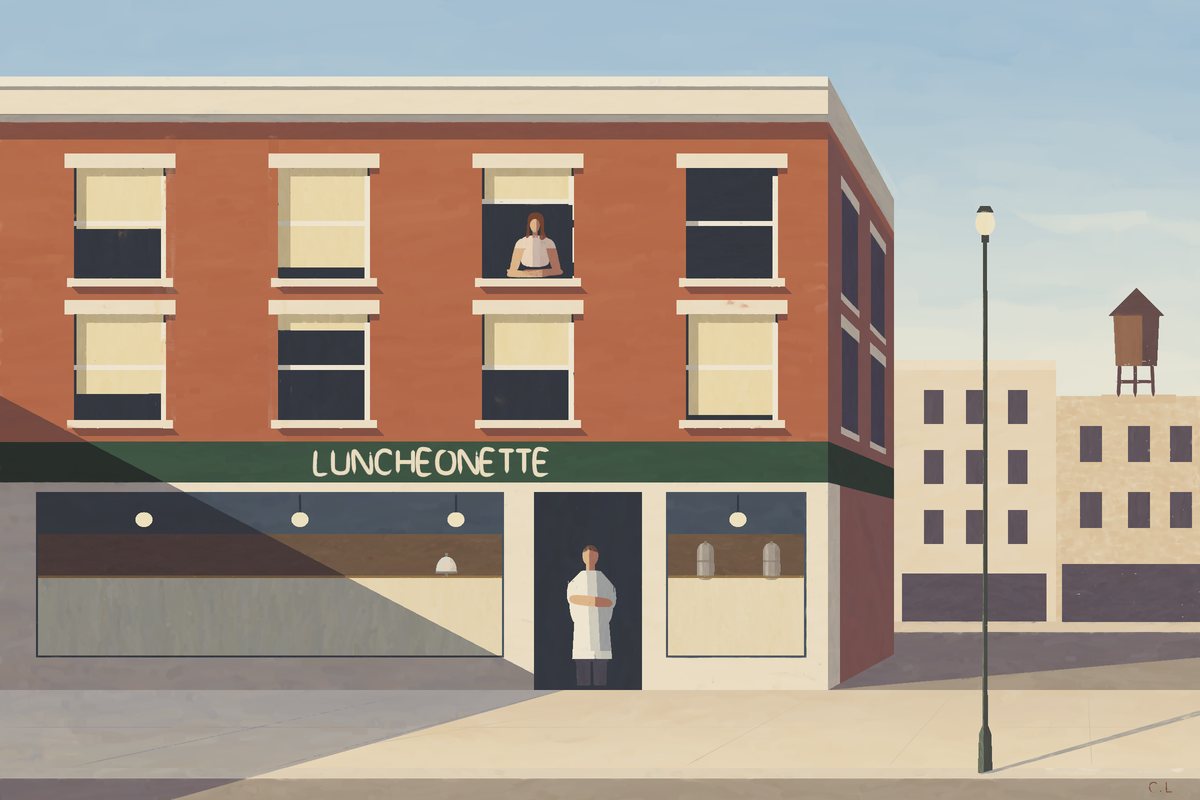
More than one model holds the brush. Claude Opus 5.5 is the lead painter, joined by GPT-6 Astra, Luna and Sol, Gemini 3.8 Flash, Muse Spark 1.3, DeepSeek V4.1 Flash, GLM-5.3 Flash, MiMo v2.6 Pro, Kimi K3 and others. The experiments ran from September 22 to October 12 in 20+ rounds: after Friedrich (romantic moors, ruins, crescent moons, figures seen from behind), after Hopper (with only the pigments Hopper is documented to have used), free subjects, and painter "relays" where only written notes — never pictures — pass between painters.
The creator showed up in the HN thread: to learn the technique, "point your favorite agent at the git history." Commenters marveled at creativity as a process rather than an output, and noticed the paintings keep sprouting three inexplicable churches side by side — something the creator admits she cannot explain either.
跟着做:复刻一套 AI 画室
- Browse the gallery at stillwet.art first: open any painting and watch its making-of replay to internalize the core loop — paint a passage, look, write a note.
- Read the briefs and journals in the Studio: for one painting, compare the brief the painter was given against the self-criticism in its journal — the most direct lesson in writing briefs for long tasks.
- Study the experiments timeline, especially round 2 (a shorter brief painted better), round 15 (a stripped-down studio) and round 16 (relay with no undo), to see how the variables were controlled.
- Read the README of the open-source claude-paint repository, focusing on notes/easel_guide.md, notes/techniques.md, and the MCP adapter's five tools: paint, look, note, status and log.
- To build your own: follow the "Painting with Capy" flow in the README, export a studio with a brief via scripts/prepare_capy_studio, register the MCP config in your agent, hand it a brief, and let the paint-look-note loop run.
- Advanced play: copy the constraint experiments — restrict the pigment box to one painter's documented colors, disable undo, or relay three models on one subject passing only written notes, and watch the style drift.
正文详解:画室里到底发生了什么
The simulator is serious engineering: a physical oil-paint engine in Rust where simulated bristles carry wet paint over primed linen, paint levels and dries on a clock, and layers combine by Kubelka–Munk optics; paint comes only from named tubes knifed together on the palette. The easel is a live Lua session over the engine, and the agent paints with the paint tool, receives PNG snapshots through look, and journals with note — all of it undoable and replayable.
The "relay" design is the most interesting part: painters take turns on one subject, and each successor may read only its predecessor's written notes, never the picture. The convergence is uncanny — a third painter repainted the previous round's shore almost exactly without ever seeing it, and two independent chains independently chose the same German title, "snow dolmen at evening," for their winter scenes.
The experiments also exposed the models' collective unconscious: every Friedrich-style painting contains a bare tree; left to free subjects, four different models independently painted jug-and-lemon still lifes and evening waterscapes; the first round's skies were ruled straight until shorter briefs and a better simulator fixed them. Human and AI judges kept ranking "Winter Evening with a Ruined Choir" first, making it the project's benchmark painting.
The technical details live in the repository: the MCP adapter wraps the brushes as standard tools, with an HTTP remote variant supporting durable retries; varnish and cracks are applied on a replay of each painter's log after its last sitting, not by the painters themselves. Painting records — briefs, journals, Lua scripts, timelapses — live in a companion repository, while the engine and easel are fully open source.
如何解读
This is not an "AI makes art" news item; it is an evaluation experiment that treats the agent as a craftsman. It tests vision, tool use, long-horizon planning and self-correction at once — a painter that can see what it painted and decide what to change next is far closer to a real workflow than any one-shot benchmark.
The notes-only relay is a clever design: it compresses "style" into text and tests whether models can transmit visual intent in language — and the answer turns out to be yes. That is an encouraging result for multi-agent collaboration: sometimes a textual handoff beats passing the artifact itself.
For most readers, the value is not the paintings but the published briefs, journals and replays: first-hand material on how to brief an agent for long tasks. The fun is the candy coating; the methodology is the medicine — if you want your coding agent to need fewer reworks, study how Alice briefs her painters.
Sources: [1]
阅读要点
- stillwet.art: 109 simulated oil and watercolor paintings, every stroke written as code by AI models, no image generator — 392 points, 114 comments on Show HN.
- The core loop: take a brief, paint passage by passage, look at the canvas, journal, revise — with undo, multiple sittings, and full replays.
- Open-source claude-paint repo: a Rust physics engine (Kubelka–Munk mixing, a drying clock) plus a Lua easel and MCP tools (paint/look/note/status/log) — replicable.
- Key findings: relays passing only written notes still converge on similar paintings; models share collective tastes (bare trees, jug-and-lemons, evening water); shorter briefs beat longer ones.
- A methodology worth copying: constrain to create style (pigment boxes, no undo), judge with humans and AI together, and publish every brief and journal.